Introduction
High blood pressure during or after delivery can be dangerous for new mothers. Knowing the signs and symptoms of high blood pressure during or after delivery helps you get care quickly. Early detection can prevent serious problems, such as stroke or organ damage. For this reason, it is important for mothers and families to watch for warning signs. This guide explains what to look for and when to seek help.
What Is High Blood Pressure During or After Delivery?
High blood pressure means the force of blood against your artery walls is too high. During pregnancy or after childbirth, this condition is called postpartum hypertension. Sometimes, it starts before delivery. Other times, it appears days or weeks after giving birth. In some cases, it can lead to preeclampsia, a serious health problem. According to the Centers for Disease Control and Prevention (CDC), high blood pressure affects many women after delivery. It can happen even if you had normal blood pressure during pregnancy.
Common Signs and Symptoms
It is important to know the warning signs of high blood pressure after childbirth. Not all women feel symptoms, but some may notice changes. Watch for these signs:
Sometimes, these symptoms can be mild. However, they may get worse quickly. If you notice any of these, call your doctor right away.
When to Seek Medical Help
Some signs need urgent care. For example, if you have trouble breathing, chest pain, or sudden swelling, seek help fast. Additionally, if your headache is severe or you have vision changes, do not wait. Go to the nearest hospital or call emergency services. Early treatment can save your life. Even if you are unsure, it is better to get checked.
Possible Causes and Risk Factors
Many things can raise your risk for high blood pressure after delivery. Some common causes and risk factors include:
Although anyone can develop postpartum hypertension, these factors increase your chances. Knowing your risk can help you and your doctor plan for safe care.
Diagnosis and Monitoring
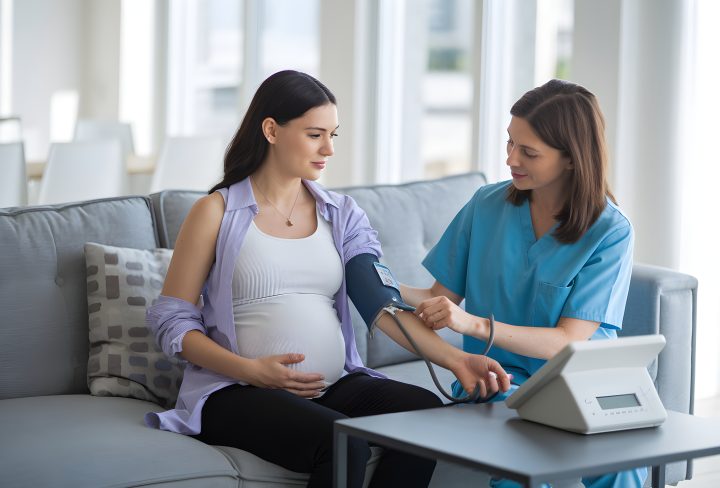
Doctors check your blood pressure during and after delivery. They may use a blood pressure cuff to measure it. If your numbers are high, they may order blood or urine tests. These tests look for signs of organ stress or protein in your urine. Sometimes, you may need to check your blood pressure at home. Regular monitoring helps catch problems early. Your doctor will explain how often to check and what numbers are safe.
Prevention and Lifestyle Tips
While you cannot prevent all cases, you can lower your risk. Try these tips to protect your health:
In addition, talk to your doctor about your risk factors. They can help you make a plan for a healthy recovery.
Frequently Asked Questions
Can high blood pressure develop after leaving the hospital?
Yes, postpartum hypertension can start days or weeks after delivery. Therefore, keep watching for symptoms even at home.
Is high blood pressure after delivery dangerous?
Yes, it can lead to serious problems like stroke, seizures, or organ damage. Quick treatment lowers these risks.
How long should I monitor my blood pressure after childbirth?
Your doctor will guide you. Usually, it is important to check for at least six weeks after delivery.
What should I do if I feel fine but have high readings?
Even if you feel well, high numbers can be risky. Contact your doctor for advice.
Conclusion
High blood pressure during or after delivery can be serious. However, knowing the signs and symptoms helps you act fast. If you notice any signs of high blood pressure during or after delivery, consult a healthcare specialist for personalized advice.