Introduction
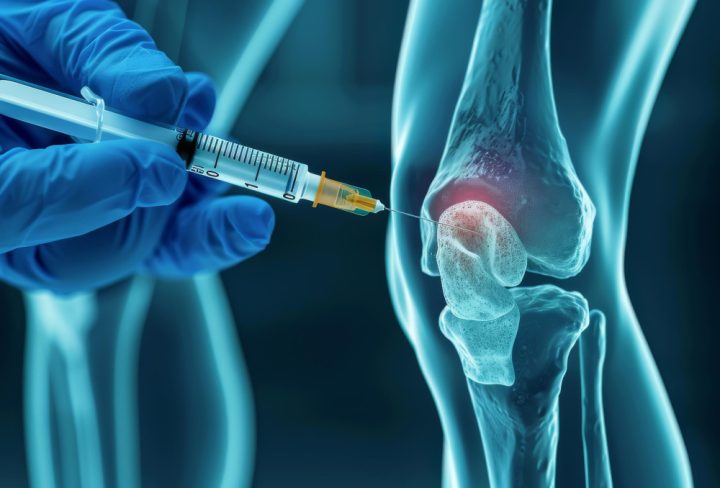
If you have knee pain, you may have heard about intra-articular knee injection. This orthopedic procedure helps relieve pain and swelling in the knee joint. Doctors often use it to treat knee osteoarthritis and other joint problems. In this blog, you will learn what this treatment is, how it works, and what to expect.
What Is an Intra-Articular Knee Injection?
An intra-articular knee injection is a treatment where a doctor injects medicine directly into your knee joint. Usually, the medicine is a steroid or hyaluronic acid. Sometimes, doctors use other medicines too. This joint injection helps reduce pain and swelling. It is a common knee osteoarthritis treatment. Many people find relief from knee pain after this simple procedure.
Who Needs This Procedure?
Not everyone with knee pain needs an intra-articular knee injection. However, doctors may suggest it if:
For example, people with sports injuries or arthritis often benefit from this orthopedic procedure. Still, your doctor will decide if it is right for you.
Step-by-Step Procedure
Knowing what happens during an intra-articular knee injection can help you feel more at ease. Here is a simple outline of the process:
The whole process usually takes less than 30 minutes. Most people can go home soon after the injection.
Benefits of Intra-Articular Knee Injections
There are many benefits to this knee pain relief option. For instance, it can:
Because of these benefits, many people choose this joint injection for knee osteoarthritis treatment.
What to Expect Before, During, and After
Before the procedure, your doctor will explain the steps and answer your questions. You may need to stop certain medicines before the injection. During the procedure, you might feel a pinch or slight pressure, but it is usually quick. After the injection, you may notice some soreness or swelling. However, most people feel better within a few days. You should rest your knee for 24 hours and avoid heavy activity. If you have any concerns, contact your doctor right away.
Possible Risks and Side Effects
Like any medical procedure, intra-articular knee injections have some risks. Although most people have no problems, you should know about possible side effects:
If you notice redness, fever, or severe pain, call your doctor right away. These could be signs of infection or other problems.
Tips for Recovery and Aftercare
After your knee injection, taking care of your knee is important. Here are some helpful tips:
With proper care, you can recover quickly and enjoy the benefits of your knee injection.
Prevention and Lifestyle Guidance
While knee injections help with pain, making healthy choices can prevent future problems. For example, you can:
By following these tips, you can protect your knees and improve your quality of life.
When to Consult an Orthopedic Specialist
If knee pain affects your daily life, it is time to seek help. You should consult an orthopedic specialist if:
Early treatment can prevent further damage and help you stay active. For more information, visit trusted sources like the Centers for Disease Control and Prevention (CDC) or the World Health Organization (WHO).
Consult an orthopedic specialist for personalized advice on knee injections.