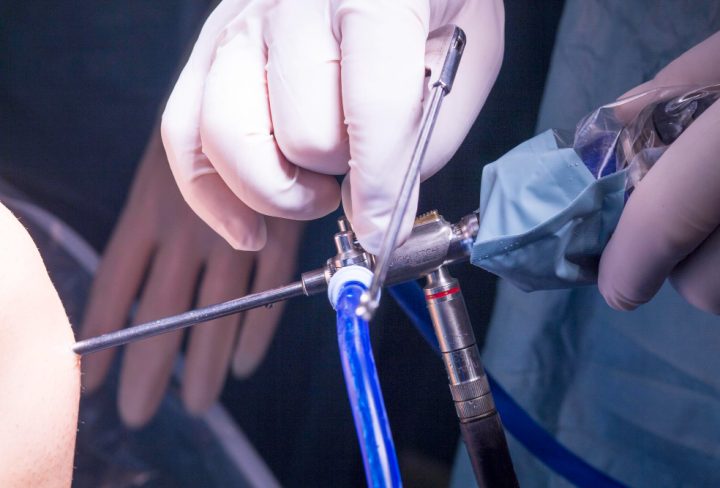
What is Shoulder Arthroscopy?
Shoulder arthroscopy is a type of minimally invasive shoulder surgery. Doctors use a small camera, called an arthroscope, to look inside your shoulder joint. Because the cuts are tiny, this surgery is often called “shoulder keyhole surgery.” Many people choose this option because it usually means less pain and a faster recovery than open surgery. In most cases, you can go home the same day.
Common Reasons for Shoulder Arthroscopy
Doctors may suggest shoulder arthroscopy for several reasons. For example, it can help fix or remove damaged tissue. Often, this surgery is used when other treatments, like medicine or physical therapy, do not work. Common reasons include:
Because shoulder arthroscopy is less invasive, it is often preferred for these problems.
How the Procedure is Performed
First, your doctor will give you anesthesia so you do not feel pain. Next, the surgeon makes small cuts around your shoulder. Through these cuts, they insert the arthroscope and tiny tools. The camera sends images to a screen, letting the doctor see inside your joint. Then, the surgeon repairs or removes damaged tissue as needed. After the work is done, the tools are removed, and the cuts are closed with stitches or small strips. Usually, the whole process takes one to two hours.
Benefits and Risks
Shoulder arthroscopy offers many benefits. For instance, it usually causes less pain and swelling than open surgery. Also, you may heal faster and have smaller scars. However, like any surgery, there are some risks. These include:
Most people recover well, but it is important to follow your doctor’s advice. According to the American Academy of Orthopaedic Surgeons, serious problems are uncommon.
Recovery Timeline and Tips
After shoulder arthroscopy, recovery time can vary. Some people feel better in a few weeks, while others may need several months. Usually, you will wear a sling for a short time to protect your shoulder. Physical therapy often starts soon after surgery to help you regain strength and movement. Here are some tips for a smoother recovery:
Because everyone heals differently, always ask your doctor if you have concerns.
Prevention and Lifestyle Guidance
After you recover, it is important to protect your shoulder. For example, you can avoid heavy lifting or sudden movements. Regular stretching and strengthening exercises can help keep your shoulder healthy. If you play sports, always warm up first. Also, listen to your body and stop if you feel pain. By taking these steps, you may lower your risk of future shoulder problems.
Frequently Asked Questions
In summary, shoulder arthroscopy is a safe and effective way to treat many shoulder problems. Because it is minimally invasive, recovery is often quicker than with open surgery. However, always talk to your doctor about your options. Consult an orthopedic specialist to learn if shoulder arthroscopy is right for you.