What Is Regenerative Orthopaedics?
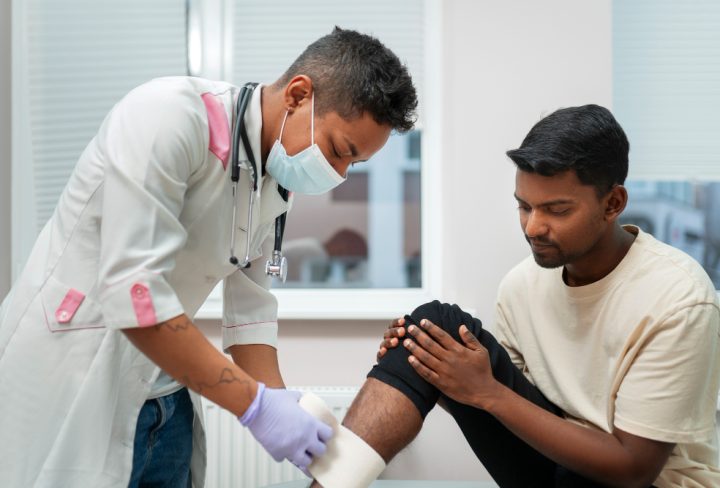
Regenerative orthopaedics is a new field in medicine. It focuses on helping your body heal itself. Instead of surgery, doctors use special treatments to repair bones, joints, and tissues. Many people choose regenerative orthopaedics because it offers healing without surgery. This approach uses your body’s natural ability to fix damage. As a result, you may recover faster and with less pain.
How Does Healing Without Surgery Work?
Healing without surgery uses your body’s own cells and growth factors. These help repair injured or worn-out tissues. For example, doctors may take a small sample of your blood or bone marrow. Then, they process it and inject it into the injured area. Over time, these cells help rebuild and strengthen the tissue. Because the treatment uses your own cells, your body accepts them easily. This process is called orthopedic regenerative medicine.
Common Conditions Treated
Regenerative orthopaedics can help with many joint and muscle problems. Some common conditions treated include:
In many cases, these treatments help people avoid surgery. However, not every condition is suitable for regenerative orthopaedics.
Benefits of Regenerative Orthopaedics
There are many reasons people choose healing without surgery. Some key benefits include:
Additionally, many patients return to daily activities sooner. For these reasons, non-surgical orthopedic treatments are becoming more popular.
Available Treatments and Techniques
Doctors use several types of regenerative treatments. Some of the most common include:
Each treatment is chosen based on your condition and needs. Your doctor will explain which option is best for you.
What to Expect During Treatment
First, your doctor will check your health and review your medical history. Next, they may use scans or X-rays to see the problem area. During the procedure, you may feel a small pinch or mild discomfort. Most treatments take less than an hour. Afterward, you can usually go home the same day. Some people feel better within weeks, but full healing may take a few months. Your doctor will give you instructions for care and follow-up visits.
Risks and Limitations
While regenerative orthopaedics is safe for most people, there are some risks. For example, you may have mild pain, swelling, or bruising at the injection site. Rarely, infection or allergic reactions can occur. Not all injuries respond to these treatments. Sometimes, surgery may still be needed. Therefore, it is important to talk with your doctor about your options. They will help you decide if non-surgical orthopedic treatments are right for you.
Prevention and Lifestyle Tips
Even after treatment, taking care of your joints and muscles is important. Here are some tips to help prevent future injuries:
By following these tips, you can support your body’s healing and stay healthy.
Frequently Asked Questions
Conclusion and Next Steps
Regenerative orthopaedics offers hope for healing without surgery. Many people find relief from pain and return to their favorite activities. If you have joint or muscle pain, consider learning more about non-surgical orthopedic treatments. Consult an orthopedic specialist to learn if regenerative orthopaedics is right for you.