What Is a Femur Fracture?
A femur fracture means you have a broken thigh bone. The femur is the longest and strongest bone in your body. Because of this, it takes a lot of force to break it. Most often, a femur fracture happens after a fall, car accident, or sports injury. Sometimes, weak bones from health problems can also cause a femur fracture. This injury needs quick medical care. Without treatment, it can lead to serious problems. According to the World Health Organization (WHO), bone fractures like these are common after trauma.
Common Symptoms of Femur Fracture
Femur fracture symptoms can appear right after the injury. You may notice some or all of the following signs:
Sometimes, you may also feel dizzy or faint, especially if there is heavy bleeding. If you notice these symptoms, seek help right away.
Causes and Risk Factors
There are many causes of a broken thigh bone. Most often, a femur fracture happens because of:
However, some people have a higher risk. Risk factors include:
For children, femur fractures often happen during play or sports. In older adults, falls are the main cause.
How Femur Fractures Are Diagnosed
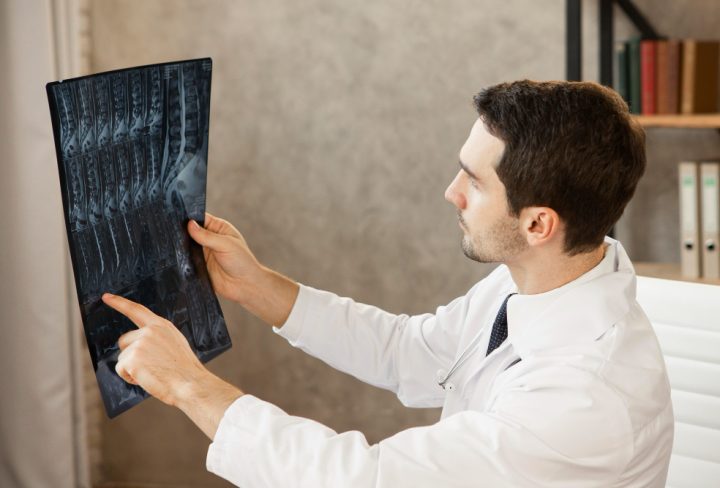
If you think you have a femur fracture, doctors will check your leg and ask about your injury. Next, they will order X-rays to see the break. Sometimes, they may use a CT scan for a better look. These tests help doctors decide the best treatment. In some cases, blood tests may be needed to check for other problems. Quick diagnosis is important for a good recovery.
Treatment Options for Femur Fracture
Femur fracture treatment depends on the type and location of the break. Most often, treatment includes:
Usually, surgery is needed for adults. The surgeon will use special tools to fix the bone. After surgery, you may need to stay in the hospital for a few days. Recovery can take several weeks or months. According to the CDC, early treatment lowers the risk of problems.
Recovery and Lifestyle Guidance
After treatment, you will need time to heal. Your doctor will give you steps to follow. For example, you may need to:
During recovery, it is normal to feel tired. However, staying active as allowed can help you heal faster. Always follow your doctor’s advice for the best results.
Tips for Preventing Femur Fractures
While not all femur fractures can be prevented, you can lower your risk. Try these tips:
For older adults, using handrails and non-slip mats can help prevent falls at home.
When to See an Orthopedic Specialist
If you think you have a femur fracture, seek medical help right away. You should also see an orthopedic specialist if you have:
Early care can help you heal better and avoid problems. Orthopedic specialists are trained to treat femur fractures and guide you through recovery.
Consult an orthopedic specialist for personalized advice on femur fracture care and recovery.